Tufnell Park Road flat removals guide for narrow access
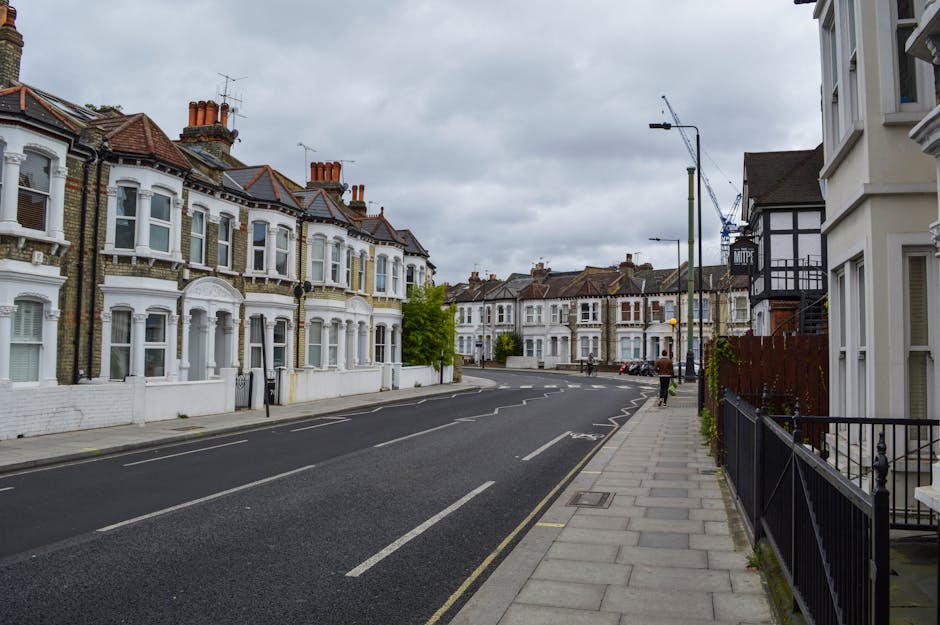
If you are moving out of a flat on Tufnell Park Road, narrow access can turn a straightforward removal into a bit of a puzzle. Tight stairwells, awkward bends, small front paths, resident parking, and the simple fact that a sofa never seems to measure what the seller claimed all add up. This Tufnell Park Road flat removals guide for narrow access is designed to help you plan properly, avoid the usual headaches, and make the move feel calm rather than chaotic. You will find practical steps, real-world tips, and a few reminders that save time on the day.
Truth be told, the biggest problem with narrow-access flat moves is rarely the heavy lifting itself. It is the lack of space to work in. Once you understand the route, the risks, and the right moving method, everything gets easier. Let's break it down properly.
Why Tufnell Park Road flat removals guide for narrow access Matters
Narrow access changes the whole shape of a flat removal. On a wider street, a team can park closer, load faster, and move large items with fewer turns. On a road like Tufnell Park Road, the practical reality may be very different. You may be dealing with shared entrances, limited kerb space, basement flats, narrow hallways, and older properties where the staircase was never designed for modern furniture.
Why does that matter? Because every extra metre between the van and the front door adds time, handling, and risk. A move that should take two hours can drift into half a day if the access plan is vague. And once one bulky item catches on a banister, the whole mood changes. You can almost hear the groan before anyone says a word.
This guide matters because it helps you think about the move as a route problem, not just a packing problem. That shift is important. The better you map the route, the fewer surprises you get on moving day.
Expert summary: For narrow-access flat removals, the move usually succeeds or struggles long before the van arrives. Accurate measurements, clear parking plans, and the right vehicle size do most of the heavy lifting.
How Tufnell Park Road flat removals guide for narrow access Works
The process is usually more methodical than people expect. A proper narrow-access move starts with an assessment of the property and ends with a loading plan that suits the street, the building, and the items being moved. In practice, that means working through the route from the flat to the van in a logical order.
Here is the basic flow:
- Measure the big items such as wardrobes, mattresses, desks, sofas, and appliances.
- Check the route from every room to the exit, including corners, stair turns, door widths, and any low ceilings.
- Decide what needs dismantling before move day. Sometimes a bed frame or table leg is the difference between easy and impossible.
- Plan parking and unloading space so the van can be positioned as near as possible without causing unnecessary disruption.
- Choose the right moving method, whether that means a compact van, a two-person team, or a fuller removal service.
- Pack for handling, not just for storage. Strong boxes, sensible weight distribution, and tidy labelling matter more than people realise.
In narrow-access removals, the van is only part of the equation. The real work happens in the few metres around the doorway. That is where people trip, scrape walls, or lose time. A calm, organised team will often move one item at a time, using protective covers and communication that sounds boring but works beautifully. Boring is good here.
If you are comparing move types, it can help to look at broader services too, such as flat removals, man and van, or a more comprehensive removal services option. The best choice depends on access, volume, and how much heavy lifting you want to avoid.
Key Benefits and Practical Advantages
A good narrow-access plan is not just about making the move possible. It can also make it safer, quicker, and less stressful. That is the bit people usually appreciate most once the day arrives and the first awkward chair clears the stairwell without drama.
- Less risk of damage: Careful route planning helps protect walls, bannisters, flooring, and the items themselves.
- Better timing: When access is predictable, the schedule is easier to manage and the move feels less rushed.
- Smarter vehicle choice: A smaller van may be more practical than a larger truck if the street is tight or parking is limited.
- Fewer last-minute surprises: If you know about the awkward wardrobe before move day, you can deal with it calmly.
- Lower stress for everyone: That sounds obvious, but it really matters. People make better decisions when they are not already flustered.
There is also a subtle benefit: good planning often reveals opportunities to simplify the move. Maybe you do not need to take every piece of furniture. Maybe a few items are better sold, donated, or arranged into storage for a while. One fewer thing in the hallway can make the whole day smoother. Simple, but effective.
Who This Is For and When It Makes Sense
This guide is especially useful if you are moving from a flat with a narrow staircase, a shared entrance, or a street where parking is always a bit of a battle. It is also relevant if you live in an older building where the layout looks charming but behaves like a logistical challenge.
You will probably find it helpful if you are:
- leaving a first-floor or top-floor flat with a tight stairwell
- moving a larger furniture set through a small entrance or corridor
- trying to avoid damage in a period property
- working to a same-day deadline or a strict tenancy handover
- moving with children, pets, or lots of fragile items
- trying to reduce costs by preparing the move properly in advance
It also makes sense for landlords, letting agents, and anyone helping a friend move out. Narrow access affects everyone involved. Even the best-intentioned helper can become a liability if they are carrying a wardrobe backwards down a staircase they have only just noticed. We've all seen that look.
If your move is small but tricky, a lighter-weight option such as removal van or man with van may be the right fit. If it is a bigger flat move with awkward access, you may want the wider support of removals or even a specialised team that understands stair-heavy properties.
Step-by-Step Guidance
If you want the move to go well, the planning needs to start before the boxes are taped shut. Here is a practical sequence that works for most narrow-access flat moves.
1. Walk the route from room to street
Start inside the flat. Measure doorways, stair widths, landing turns, and any pinch points where a sofa or mattress might snag. Then continue outside. Look at the front path, kerb space, and whether the van can reasonably stop close to the building.
2. Identify the awkward items first
Do not save the difficult pieces for later. That usually backfires. The difficult pieces are the ones that need measuring, dismantling, or a second pair of hands. Wardrobes, corner sofas, heavy mirrors, and exercise equipment are the usual culprits.
3. Decide what will be dismantled
Some furniture should travel in one piece. Some absolutely should not. Flat-pack furniture, bed frames, and dining tables often come apart fairly easily if you keep screws and fittings in labelled bags. If the item is expensive, delicate, or oddly shaped, think twice before forcing it through a tight route.
4. Pack with handling in mind
Weight distribution matters more than neatness alone. Put heavier items in small boxes and fragile pieces in well-padded containers. Mark boxes clearly, not vaguely. "Kitchen - glassware" helps a lot more than "misc."
5. Reserve or plan parking carefully
On a road with narrow access, parking is not a side issue. It is central to the move. If the van ends up too far away, loading slows down immediately. If it blocks the wrong space, the day becomes everyone else's problem too, and nobody wants that.
6. Use protection on walls and floors
Blankets, covers, corner protectors, and floor runners reduce the chance of cosmetic damage. Even a small scrape can feel surprisingly annoying after you have spent all morning trying not to scrape anything. Tiny things add up.
7. Load in the right order
Heavy and sturdy items go in first, with fragile and awkward items secured safely around them. Keep essentials accessible if you need them quickly on arrival. A little organisation here saves a lot of unneeded rummaging later.
8. Allow for slower movement on the stairs
Narrow staircases require patience. Rushing is what causes bumps, trapped corners, and sore backs. The slowest safe pace is usually the right one.
Expert Tips for Better Results
Small adjustments make a surprisingly big difference on narrow-access jobs. These are the tips that tend to separate a smooth move from a slightly fraught one.
- Measure twice, move once. It sounds almost too simple, but checking widths again saves embarrassment later.
- Keep a tool bag handy. A screwdriver, Allen keys, tape, and a marker pen are the moving-day equivalent of a seatbelt.
- Protect the exit first. The doorway, hallway, and stair edges are the places most likely to pick up knocks.
- Clear walkways early. Shoes, plant pots, umbrella stands, and recycling bins love to appear exactly where you need space.
- Use one person to call the shots. Mixed instructions in a narrow hallway are a recipe for confusion.
- Photograph tricky furniture before dismantling. That quick photo may save twenty minutes later, possibly more.
One practical point people often miss: if your move includes bulky furniture you no longer want, arrange disposal or a dedicated furniture removals or furniture pick up option in advance. It is much easier to remove an unwanted chest of drawers before the main move than to discover it is blocking the hallway at 8:30 in the morning.
If the day feels slightly out of your control, pause. Take five minutes. Have tea. Reset. That tiny break can make the next hour go better. Honestly, sometimes the best move-day tool is a mug.
Common Mistakes to Avoid
Narrow-access moves tend to expose weak planning very quickly. These are the mistakes that cause most of the pain.
- Assuming standard furniture will fit. A sofa that fits in your lounge may still fail at the stairwell.
- Ignoring street access. The route outside matters just as much as the route inside.
- Overpacking large boxes. Big boxes are tempting, but they become awkward and unsafe very quickly.
- Leaving dismantling until the last minute. This usually creates panic, missing screws, and unnecessary delays.
- Not warning the removal team about access issues. A good crew can plan around problems if they know about them.
- Forgetting building rules or neighbour considerations. Shared hallways, lift bookings, and noise sensitivity can all matter.
Another common issue is underestimating how long a narrow-access job takes. People often think, "It's only a flat move," and then wonder why the staircase has turned into a bottleneck. To be fair, this is a very human mistake. But it is avoidable.
Tools, Resources and Recommendations
You do not need a warehouse full of equipment. A modest, sensible kit is usually enough, provided you use it properly.
| Tool or resource | Why it helps | Best use in narrow access |
|---|---|---|
| Strong boxes | Protect contents and make carrying safer | Smaller boxes are easier on stairs and tight turns |
| Furniture blankets | Reduce scuffs and impact damage | Wrap corners and cover fragile finishes |
| Tool kit | Helps dismantle and reassemble furniture | Useful for beds, tables, shelves, and handles |
| Labels and marker pens | Keep contents organised | Speeds unloading when space is tight |
| Tape measure | Confirms widths and clearances | Essential for stair turns and large furniture |
| Floor protection | Reduces scratches and dirt transfer | Especially useful in older flats with timber floors |
For support with packing, professional packing and boxes help can take a lot of pressure off. If you need help at both ends, packing and unpacking services can be worth considering, especially when the move has a deadline or the access is already complicated enough.
Some people also prefer to pair narrow-access moves with a smaller vehicle and a more focused crew. That is where man with a van or a dedicated removal van can make more sense than trying to overdo it with a large truck that simply has nowhere sensible to sit.
Law, Compliance, Standards, or Best Practice
For a flat removal in London, compliance is mostly about sensible practice, care, and respect for the building, neighbours, and road space. You do not need legal jargon to get this right, but you do need a basic understanding of responsibilities.
Good practice typically includes:
- Safe manual handling: loads should be lifted, carried, and turned in ways that minimise strain and injury risk.
- Clear access planning: the team should know where the items are going, where the vehicle will stop, and what obstacles exist.
- Property protection: door frames, floors, and communal areas should be treated carefully.
- Insurance awareness: you should understand what cover is available and what conditions may apply. It is worth checking the small print rather than assuming.
- Communication with building management where needed: lifts, shared areas, or loading arrangements may require advance coordination.
It is also sensible to review service details such as insurance and safety, health and safety policy, and terms and conditions before booking any removal. That is not being fussy; that is just good housekeeping. A move is stressful enough without uncertainty over responsibility.
Where fees, deposits, or payments are involved, it helps to understand how a company handles payment and security as well. Peace of mind matters, especially when you are juggling tenancy dates and key handover times.
Options, Methods, or Comparison Table
There is no single right way to handle a narrow-access flat move. The best choice depends on what you are moving, how much help you want, and how tight the access really is. Here is a practical comparison.
| Method | Best for | Strengths | Limitations |
|---|---|---|---|
| Man and van | Smaller flats, light loads, flexible timing | Quick, adaptable, often ideal for awkward access | Not always suited to heavy or very large moves |
| Removal van | Moderate-size flat moves | Good balance of space and manoeuvrability | May still be too large for the tightest streets |
| Full removals service | Heavier loads, complex access, larger homes | More support, more lifting capacity, less stress | Usually higher cost than a minimal service |
| Storage first, move later | Staged moves, renovation gaps, timing issues | Reduces pressure on the moving day | Requires extra planning and a second step |
If you are unsure which route fits your situation, comparing removal companies is a sensible starting point. Just keep the focus on access experience, not only price. The cheapest option can become expensive if it is not actually suitable.
Case Study or Real-World Example
Here is a realistic example based on the kind of move people regularly face around Tufnell Park Road. A tenant in a two-bedroom flat has a double mattress, a bed frame, a sofa, a dining table, and several boxes of books. The building has a narrow communal stairwell, and the street parking is limited by the time the move starts.
At first glance, the move seems simple. But the sofa will not make the first turn on the stairs without removing the feet, and the table legs need to come off before loading. The mover checks measurements, confirms the van size, and advises the tenant to keep fragile items boxed separately. A couple of pieces are also sent to storage because they are not needed immediately in the new place.
The result? Less back-and-forth, fewer scratches, and a much calmer handover. Not glamorous. Just effective.
That is the wider lesson. Narrow-access removals succeed when the plan reflects the building reality rather than the ideal version in your head. And if you are a student moving out of a compact flat, the same logic applies. In fact, services like student removals are often built around these smaller, time-sensitive, access-heavy jobs.
Practical Checklist
Use this checklist a few days before the move, then again on the morning itself.
- Measure all large furniture and note the widest points.
- Check doorways, stair turns, and hallway clearance.
- Confirm whether any items need dismantling.
- Label boxes by room and priority.
- Set aside essentials you will need immediately after the move.
- Arrange parking or loading access where possible.
- Protect floors, corners, and any exposed surfaces.
- Keep tools, tape, and spare bags in one easy-to-reach place.
- Tell the removal team about the narrowest part of the route.
- Move pets and children out of the way before the heavy lifting begins.
- Have a contact number ready for the building, if relevant.
- Leave a little extra time. Always. Always a little extra.
Quick takeaway: The safest narrow-access move is the one that is planned from the hallway outwards, not the one that tries to improvise on the day.
Conclusion
Narrow-access removals on Tufnell Park Road do not have to be stressful. They do, however, reward preparation. If you know the route, measure the problem items, choose the right vehicle, and keep the day organised, you give yourself a much better chance of a clean, calm move.
The main idea is simple: treat the access as part of the job, not an afterthought. That one mindset shift saves time, money, and a fair bit of frustration. And honestly, that is what most people want from a flat move - less drama, fewer knocks, and a fresh start that feels properly fresh.
For a move with tight stairwells, awkward turns, or limited street space, it is wise to speak with a team that understands compact London access and can plan around it from the start. Get a free quote today and see how much you can save.
Once the heavy pieces are through the door, the rest of the day usually feels lighter. That moment when the last box is in and the hallway is clear? Worth it.
Frequently Asked Questions
What makes Tufnell Park Road flat removals tricky when access is narrow?
The main issue is space. Narrow staircases, tight entrances, and limited parking mean furniture has less room to turn and move safely. That usually slows the job down and increases the chance of scuffs or delays.
Do I need to measure everything before the move?
Yes, at least the large items. Wardrobes, sofas, mattresses, tables, and appliances are the usual ones to check. If an item is close to the limit, measure the route as well, not just the item itself.
Is a man and van service enough for a narrow-access flat move?
Sometimes, yes. It depends on the amount of furniture and how awkward the access is. For smaller loads, a man with van approach can work well. For more complex moves, you may want a fuller team.
Should I dismantle furniture before moving day?
If possible, yes. Beds, tables, and some shelving units are easier to carry when dismantled. The key is to keep fittings labelled and stored together so reassembly is not a scavenger hunt later.
What if the van cannot park close to the building?
Then the move will likely take longer, and the team may need to do more carrying. That is exactly why parking plans matter. On a narrow street, a few extra metres can make a surprisingly big difference.
How do I protect walls and banisters during the move?
Use furniture blankets, corner protection, and clear communication while carrying items through tight spaces. A careful team will usually move slowly on turns and assign one person to guide the load.
Is storage useful for narrow-access moves?
Yes, especially if you have bulky items that do not need to be moved immediately. Using storage can reduce pressure on move day and make the main removal much easier to manage.
How can I tell whether I need a full removals service?
If you have heavy furniture, lots of boxes, fragile items, or difficult access, a fuller service is often the safer choice. It gives you more support, which matters when the hallway is tight and the stairwell is unforgiving.
What should I pack separately for a narrow-access move?
Keep essentials like documents, chargers, medication, keys, and a kettle box separate. That way, if the move takes longer than expected, you are not digging through random cartons looking for the obvious stuff.
Are same-day removals realistic for narrow-access flats?
They can be, but only if the job is relatively small or well prepared. Narrow access makes last-minute moves harder, so it helps to choose a team experienced in compact London properties and arrange same day removals only when the scope is clear.
How do I reduce the risk of damage to fragile items?
Use strong boxes, plenty of cushioning, and clear labels. Fragile items should not be packed loosely into large boxes. Keep them separate, and tell the removal team where they are so they can be handled with extra care.
What is the best first step if I am unsure what service I need?
Start by looking at the size of your load and the width of the access route. Then compare practical options such as flat removals, a removal van, or broader removal services. Once you know the constraints, the right choice becomes much clearer.
Do I need to worry about insurance and safety?
Yes, it is sensible to check. Any professional move should take safety seriously, and you should understand what protection is in place before the day arrives. A little reassurance here goes a long way.