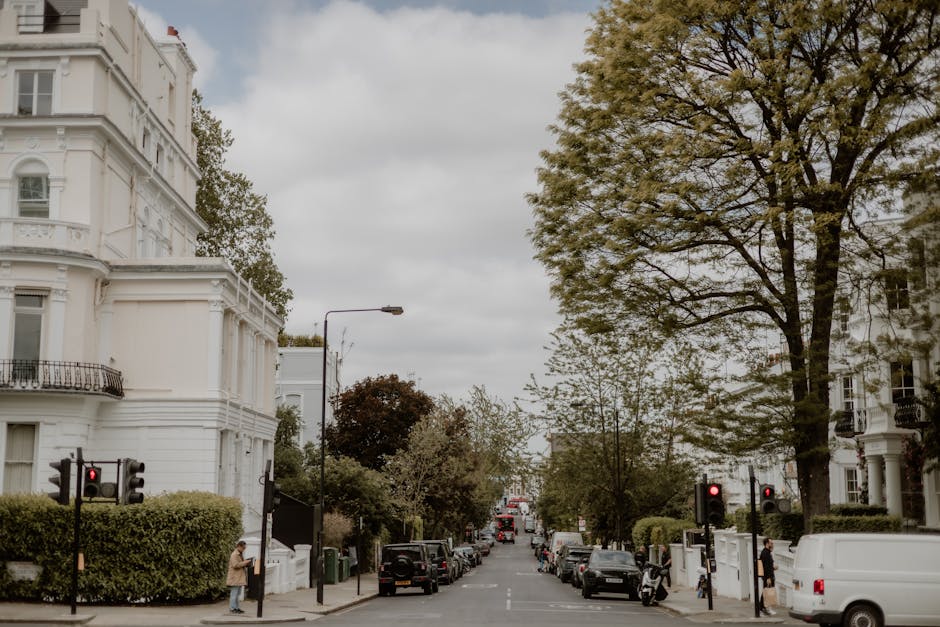
Fortess Road Moving Day Tips for Tufnell Park Removals
Moving on Fortess Road can feel straightforward on a map and a bit trickier in real life. There are buses, side streets, school runs, tighter stretches near junctions, and the usual London moving-day scramble where one missing box seems to matter more than it should. If you are looking for Fortess Road moving day tips for Tufnell Park removals, this guide is built to help you plan sensibly, protect your belongings, and keep the day moving without the last-minute panic.
Truth be told, the best move is rarely the fastest one. It is the one that has a clear plan, sensible packing, and enough flexibility for parking, access, and those little delays that always show up when you least want them. Below, you will find practical advice for preparing a move on or near Fortess Road, plus a realistic look at access, timing, packing, and the small decisions that make a big difference.
Table of Contents
- Why Fortess Road moving day tips for Tufnell Park removals Matters
- How Fortess Road moving day tips for Tufnell Park removals Works
- Key Benefits and Practical Advantages
- Who This Is For and When It Makes Sense
- Step-by-Step Guidance
- Expert Tips for Better Results
- Common Mistakes to Avoid
- Tools, Resources and Recommendations
- Law, Compliance, Standards, or Best Practice
- Options, Methods, or Comparison Table
- Case Study or Real-World Example
- Practical Checklist
- Conclusion
- Frequently Asked Questions
Why Fortess Road moving day tips for Tufnell Park removals Matters
Fortess Road sits in one of those parts of North London where moving is rarely just about loading a van. You need to think about road layout, neighbour access, lift availability if you are in a flat, and the fact that time windows can disappear quickly if you are not organised. A smooth move in this area usually starts with planning the surroundings, not just the boxes.
That matters because small access issues create real knock-on effects. A bulky sofa that does not quite fit through a narrow hallway, a van that cannot stop where you hoped, or a stack of boxes left in the wrong room can turn a calm morning into a long one. And nobody wants that with tea going cold and everyone asking where the kettle is.
For Tufnell Park removals, local knowledge is more than a nice extra. It helps shape timing, vehicle choice, packing order, and whether you should move in stages or all at once. If you are comparing moving help, it is worth understanding the service mix too. Some households only need a van and two hands; others need full packing, dismantling, and storage support. You can browse the wider removal services available if your move needs a little more than basic transport.
How Fortess Road moving day tips for Tufnell Park removals Works
At its simplest, a local move works best when the job is broken into parts: prepare the property, protect the items, set a loading order, and plan the route and parking. That sounds obvious, but on moving day the obvious bits are exactly what get skipped.
In practice, a good Fortess Road move often follows this rhythm:
- confirm the moving date and access arrangements
- measure larger items and key doorways
- reserve or arrange suitable parking where possible
- pack non-essentials first and label every box clearly
- keep essentials, documents, and valuables separate
- load systematically so the first items off the van are easy to reach
If you live in a flat, the process can become a touch more involved. Narrow stairs, shared entrances, and lift timing all affect the pace. That is why many people in the area choose flat removals support when the access is tight or the building layout is awkward. It saves time and, just as important, a lot of heavy lifting regret.
You will also want to think about the type of vehicle. A smaller man and van option can suit lighter loads or smaller homes, while larger moves may need a moving truck with room for furniture, appliances, and boxed items without stacking chaos.
Key Benefits and Practical Advantages
The biggest benefit of proper moving-day planning is reduced stress. Simple enough, but worth saying. When you know what is happening and in what order, the day feels less like a scramble and more like a job that is under control.
There are other real advantages too:
- Less damage risk: good packing and clear loading reduce knocks, scuffs, and breakages.
- Faster unloading: labelled boxes and room-by-room planning make settling in much easier.
- Lower physical strain: the right equipment and team setup protect you from doing too much yourself.
- Better timing: local planning helps avoid avoidable delays around parking or access.
- Fewer forgotten items: an essentials bag and final sweep prevent that classic "where are the chargers?" moment.
There is also a quieter advantage: the move feels more humane. You are not just shifting possessions. You are moving your day-to-day life, the mug with the chipped rim, the lamp that somehow always stays on the same side table, the boxes of books you swore you would declutter last year. Small things matter. They just do.
If storage becomes part of the picture, perhaps because completion dates do not line up neatly or you are downsizing, it can help to plan for storage early rather than as an emergency fix.
Who This Is For and When It Makes Sense
This advice is for anyone moving on or near Fortess Road, but it is especially useful if you are:
- moving from a flat with stair access or shared entrances
- relocating a family home with larger furniture and more boxed items
- changing address within Tufnell Park or nearby parts of North London
- trying to manage a move around work hours, school runs, or a tight completion schedule
- needing a blend of packing help and transport rather than a full-service move
It also makes sense if you are not sure how big the job actually is. People often underestimate moving volume. A small-looking flat can hide an alarming number of books, kitchen bits, cables, and awkward little items that take ages to pack. If that sounds familiar, you are not alone.
Students, first-time movers, landlords, and busy professionals all tend to benefit from a more structured approach. And if you are moving out of a rental, timing matters even more because keys, inventories, and cleaning windows can all overlap. That overlap is where stress likes to breed.
Step-by-Step Guidance
1. Start with the access picture
Before you pack a single mug, look at the practical access points. Where can the van stop? Are there loading restrictions? Is there a lift? How many stairs are involved? Can the front door stay open safely while items are moved? These questions sound basic, but they shape the whole day.
If the property has awkward access, tell your mover early. A few extra details about the building often save much more time later. One narrow hallway can change the loading order for half the house. It happens.
2. Sort belongings by urgency
Pack in layers. First the things you will not need before moving day. Next the items for the first week. Leave out everyday essentials, important paperwork, chargers, toiletries, and a change of clothes. Keep them in a clearly marked essentials bag or box.
A small human moment here: people often pack the kettle too early and then spend the final morning wandering around looking mildly betrayed by their own organisation. Keep a little comfort kit aside. It helps.
3. Label boxes in a way that actually helps
Labels should say more than "misc." You want room name, priority, and, where useful, a short contents note. For example: "Kitchen - first night - plates, kettle, tea." That way, when you arrive tired and hungry, you are not opening six boxes just to find a spoon.
4. Protect the furniture that matters most
Large items should be wrapped or padded before loading. Table corners, mirror edges, mattresses, and drawer fronts are the usual problem spots. Disassemble only what truly needs disassembling, and keep screws, fittings, and tool parts together in a clearly labelled bag taped to the item if appropriate.
If you have particularly heavy or delicate pieces, such as a piano, specialist handling matters more than brute force. That is when piano removals or other specialist help becomes the sensible option, not the fancy one.
5. Plan the loading order
Heavy, sturdy items usually go in first, with lighter and more fragile items packed around them in a controlled way. The aim is not simply to fill the vehicle. It is to make unloading logical. Keep the first items you will need near the end that opens first, and keep essentials separate from the main load.
6. Do a final sweep before departure
Check cupboards, the loft, under beds, behind doors, and inside utility spaces. People forget things in the oddest places. A small drawer in the bathroom cabinet can hide passport copies, spare keys, and three half-used batteries you have no idea what to do with. Moving day has a talent for exposing life admin.
Expert Tips for Better Results
Here is the bit that tends to make the difference between a decent move and a really smooth one.
- Move the essentials first in your mind, not your van. The first-night box should be easy to find, not buried under bedding.
- Keep hallways clear. Bottlenecks slow everything down, especially in tighter stairwells.
- Protect flooring if needed. Cardboard, runners, or blankets can help in older homes and shared buildings.
- Avoid overfilling boxes. A box of books is heavier than it looks. Then it gets ugly.
- Use clear communication. Tell the crew about fragile items, access issues, and anything that should not be stacked.
One of the best local tips is to move with the area, not against it. That means timing your day around predictable traffic and building access rather than assuming you can simply wing it. In the real world, a twenty-minute delay can ripple through the whole schedule.
Another practical tip: if you are combining moving day with a handover, make sure keys, meters, and documents are organised in one small envelope or pouch. It sounds fiddly. It is not. It is life-saving in a very ordinary kind of way.
And yes, a good mover should make that feel easier. If you need wider support for a home move, see the options for home moves and compare them with lighter-load solutions.
Common Mistakes to Avoid
Most moving-day problems are not dramatic. They are ordinary oversights that snowball. The good news is that nearly all of them are avoidable with a little care.
- Leaving packing too late: last-minute boxing always leads to poor labelling and broken routines.
- Forgetting access details: if the van cannot stop where expected, the whole process slows down.
- Using mismatched box sizes: tiny boxes for light items and stronger boxes for heavier ones usually work better.
- Not measuring larger furniture: if it barely fits on paper, it may not fit in reality.
- Ignoring shared spaces: stairwells, entryways, and communal areas must be kept clear and safe.
- Assuming the first load is the right load: without a plan, essentials end up hidden at the back.
Another subtle mistake is underestimating how tiring the day becomes. Even when everything is well organised, moving is physical and mentally busy. Build in water, small breaks, and a bit of patience. You will be glad you did by late afternoon, when your energy is wobbling and the internet still has not been connected.
Tools, Resources and Recommendations
Good moving day tools are usually simple. You do not need a warehouse of gadgets. You need the right basics, used well.
| Tool or resource | Why it helps | Best used for |
|---|---|---|
| Strong boxes | Protects contents and makes stacking safer | Kitchenware, books, mixed household items |
| Packing paper or wrap | Reduces movement and breakage | Glassware, ornaments, delicate items |
| Marker pens and labels | Speeds up unloading and room placement | All boxes, especially mixed loads |
| Furniture covers or blankets | Protects wood, fabric, and corners | Sofas, wardrobes, tables, mattresses |
| Tool kit | Helps with dismantling and reassembly | Beds, flat-pack furniture, fixtures |
| Trolley or sack truck | Reduces lifting strain | Heavy boxes, appliances, awkward items |
For many people, professional packing support is a worthwhile add-on. It is especially useful when work, childcare, or distance make it hard to pack gradually. If that is you, the service at packing and unpacking services can save a surprising amount of time and mental load.
If you are trying to keep the move efficient without going overboard, a middle-ground approach often works well: pack most items yourself, then get help with the awkward or fragile stuff. That is usually enough. No prize for packing every spoon by hand if you do not need to.
Law, Compliance, Standards, or Best Practice
For a local move in London, the key compliance issues are usually practical rather than complicated. You should think about parking restrictions, shared access rules, building management requirements, and safe lifting practices. If your street or building has specific instructions for loading, follow them. It avoids complaints and keeps everyone on side.
Insurance and safety are also worth checking before the move begins. Reputable movers should be able to explain how goods are handled, what cover may apply, and what you are responsible for packing yourself. If you want to review the basics in advance, the site's insurance and safety information is a sensible place to start.
There is also a broader best-practice point: fragile items should be packed properly, walkways should be kept clear, and lifting should be done with care. That may sound obvious, but on moving day obvious things are exactly what go missing when everyone is rushing. A calm, safe move is usually a compliant one too. Funny how that works.
If you are hiring a company, it is reasonable to ask how they handle damage risks, vehicle loading, and customer communication. Trust is built in small details. Clear answers matter more than polished sales talk.
Options, Methods, or Comparison Table
Not every move on Fortess Road needs the same setup. The best choice depends on volume, access, and how much help you want on the day. Here is a simple comparison to help you think it through.
| Option | Best for | Strengths | Limitations |
|---|---|---|---|
| DIY van hire | Small loads and very flexible schedules | More control, often lower direct cost | More lifting, more risk, more stress |
| Man and van | Smaller flats, student moves, lighter household loads | Practical, nimble, often easier in tight streets | May not suit larger furniture or bigger volumes |
| Full removal team | Family homes, larger flats, time-sensitive moves | Efficient, organised, less physical strain | Usually more expensive than basic transport |
| Packing add-on | Busy households or fragile contents | Saves time, improves protection, reduces packing stress | Extra cost, needs advance planning |
For some moves, a lighter service is enough. For others, especially where access is awkward or the contents are bulky, it pays to choose a team that can handle the whole process. If you are unsure, compare it with house removals or removals more broadly and decide based on what actually needs moving, not what sounds simplest on paper.
Case Study or Real-World Example
Imagine a couple moving from a two-bedroom flat off Fortess Road into a nearby house in Tufnell Park. They have a sofa, a double bed, a dining table, two bookcases, and far more kitchen gear than either of them remembered owning. Nothing unusual, really.
They start by measuring the larger furniture and checking whether the bed frame needs dismantling. They also identify that the old flat has narrow stairs and a shared entrance, so they plan for a morning loading slot rather than late afternoon, when the street is busier and everyone is trying to get somewhere else.
Their boxes are labelled by room and priority. The first-night box holds kettle, mugs, toilet roll, phone chargers, basic cutlery, and bedding. Not glamorous, but gold dust at 8 p.m. when the new place still smells like fresh paint and cardboard.
Because they have a few fragile items, they choose some extra protection and ask for help with furniture handling. They do not try to carry everything themselves. That is the quiet lesson here. A move gets easier the moment you stop trying to prove something to the sofa.
By mid-afternoon, the essentials are in place, the furniture is positioned, and the couple can actually sit down rather than just pace around opening boxes. Not perfect, but good. And good is usually exactly what a move needs to be.
Practical Checklist
Use this checklist the day before and on moving morning. It keeps the job grounded.
- Confirm the moving time and arrival window
- Check parking and access arrangements
- Pack the essentials bag separately
- Label all boxes clearly by room
- Protect mirrors, glass, and corners
- Dismantle only what is necessary
- Keep screws, keys, and fittings together
- Clear hallways, stairs, and entry points
- Do a final cupboard and loft check
- Keep important documents with you
- Set aside water and a quick snack
- Take meter readings if needed
- Check each room before locking up
Expert summary: if you want a genuinely easier move on Fortess Road, focus on access, labels, loading order, and the first-night essentials. Those four things remove a huge amount of friction. Everything else tends to follow.
Conclusion
Fortess Road moving day tips for Tufnell Park removals are really about making the day feel manageable. Once you plan for access, pack with intent, and choose the right level of help, the move becomes far less chaotic. That is the goal: not perfection, just a calm and workable day.
Whether you are moving a flat, a family home, or a smaller load nearby, the same principles apply. Know what you are moving, know how you are moving it, and make room for the small delays that life always throws in. A little preparation goes a long way. Honestly, it saves your sanity more than once.
If you are comparing options or want to budget more confidently, take a look at the available pricing and quotes information and see what level of support fits your move.
Get a free quote today and see how much you can save.
Moving day can feel noisy and rushed, but with the right plan it does not have to feel overwhelming. Take it one step at a time, and you will get there.
Frequently Asked Questions
What makes moving on Fortess Road different from other parts of Tufnell Park?
Fortess Road often involves a mix of residential access, busier local traffic, and the usual London parking considerations. The main difference is that planning for access and timing matters a little more than people expect.
Do I need a man and van for a small Fortess Road move?
If you are moving a small flat, student room, or lighter household load, a man and van service can be a practical fit. It is usually easier to manoeuvre and more flexible for shorter local moves.
How far in advance should I book removals?
As early as you reasonably can, especially if your move is tied to a completion date, weekend slot, or month-end timing. Good dates tend to go first, and it is not worth leaving it to the last minute unless you enjoy stress for sport.
What should I pack in an essentials box?
Include kettle items, mugs, basic cutlery, toiletries, phone chargers, toilet roll, snacks, medication, a change of clothes, and any key documents. Think of it as your first evening survival kit.
How do I handle furniture that may not fit through tight stairs?
Measure it first, then compare it with doorways, stair turns, and landings. If needed, dismantle the item in advance or ask for help from movers who are used to narrow access and flat removals.
Is packing service worth it for a local move?
It can be, especially if you are short on time, have fragile items, or simply do not want to spend your evenings surrounded by tape and cardboard. A packing add-on often saves more time than people expect.
What if my move-in and move-out times do not line up?
That is where storage can help. Short-term storage bridges the gap between properties and reduces pressure when completion timings are awkward or delayed.
How do I avoid damage during the move?
Use proper box sizes, wrap fragile items, secure furniture, and load the vehicle in a sensible order. Communication helps too. Tell the team about delicate pieces and anything that needs special care.
What should I ask a removal company before booking?
Ask about access handling, insurance and safety procedures, packing support, timing, and how they approach fragile or bulky items. Clear answers are a good sign. Vague ones are not.
Can removals be arranged at short notice?
Sometimes, yes. Same-day or short-notice help may be available depending on scheduling and vehicle availability. If your timeline is tight, it is worth asking directly rather than assuming it is impossible.
Are there special considerations for flats in Tufnell Park?
Yes. Shared entrances, stairwells, lift access, and neighbour considerations all matter. Flat moves often go smoother when boxes are kept manageable and the route is planned in advance.
How do I compare moving options without overpaying?
Compare the total service level, not just the headline price. A slightly higher quote may include packing support, safer handling, or a better vehicle setup. The cheapest option is not always the best value, and frankly, usually isn't.
What if I am moving a very large or awkward item?
Specialist handling may be the safest choice for items like pianos, oversized wardrobes, or delicate furniture. It is better to plan for the right support than to force the issue on moving morning.
Where can I find more help with local moving planning?
You can explore more about the company, services, and support pages if you want to compare options or understand the moving process in more detail. Start with the pages that match your situation best and build from there.